







The Institut de la Màcula and the ICFO develop technology to improve the imaging techniques of retina cells
09/02/2015 ·
 خبر
خبر
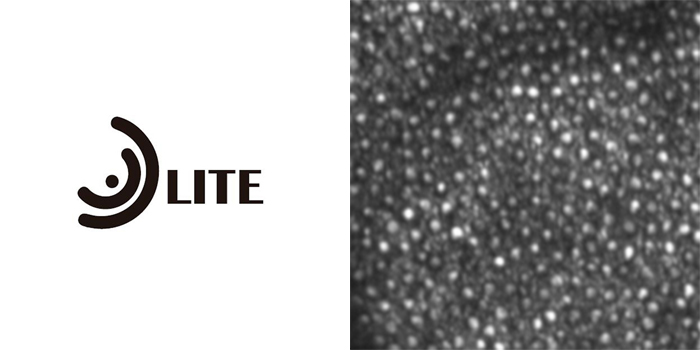
The Institut de la Màcula, located in the campus of the Hospital Quirón Teknon, and the ICFO – the Institute of Photonic Sciences – are participating in the project Development of Advanced Laser Imaging Techniques for the Anterior and Posterior Eye (LITE).
This project is being developed in collaboration with the ICFO – the Institute of Photonic Sciences – together with Construzione Strumenti Oftalmici (CSO), the Istituto Nazionale di Ottica (INO) and the Istituto di Fisica Applicata Nello Carrara (IFAC). It is co-financed by Acció (the Agency for Business Competitiveness) and the European Union through the Seventh Framework Programme of Research and Technological Development, specifically the BiophotonicsPlus project, which aims to promote R&D in the field of photonics.
Development of Advanced Laser Imaging Techniques for the Anterior and Posterior Eye (LITE) is an innovative, international eye research project involving the creation of a hybrid system that will allow for new eye imaging techniques to treat pathologies of the retina and cornea. These new techniques will enable high-resolution images of the retina’s photoreceptors to be obtained through the latest adaptive optical technique, together with the collagen fibres of the cornea.
The new system will provide a diagnosis that is better tailored to the cellular level, enabling improved knowledge of retinal diseases and offering new, more precise effectiveness assessment parameters. This responds to the new emerging experimental therapies, such as regenerative medicine treatments with stem cell implantation, for the degenerative retinal diseases currently lacking effective treatment and which are associated with severe vision loss like age-related macular degeneration (AMD) in its atrophic form, pigmentary retinosis and Stargardt’s Disease. Moreover, the new system of advanced imaging techniques will allow for treatment of the anterior and posterior eye segments at the same time, thereby reducing the costs of equipment.
BiophotonicsPlus is part of the Seventh Framework Programme. It takes the form of actions for the establishment of European networks to implement the European Research Space (ERA-Net) and has a total budget of 11 million euros for funding research projects in the field of optics and photonics applied to life and health sciences. The Government of Catalonia through Acció, co-finances this cooperative project with the European Union with an associated budget of 450,000 euros for Catalan participants.
Dr. Jordi Monés, the Director of the Institut de la Màcula, says “this system will allow for a diagnosis that is better tailored to the cellular level of the degenerative pathologies of the retina. This will enable us to know with greater precision and in a shorter length of time the response to the new experimental treatments, some of which are already in progress”. Dr. Monés adds that, from the research point of view, “the project can help to gain a greater understanding of the mechanisms by which a disease develops and will provide information on the stages of its evolution”.
Biophotonics is an area of multidisciplinary research that utilises light-based technologies. This is a springboard for Catalonia’s future and is expected to have a major impact on the agents participating in the development phase of the technologies and in their application. The participation in the “Development of Advanced Laser Imaging Techniques for the Anterior and Posterior Eye” project makes the Institut de la Màcula one of the leading ophthalmological centres in this area.
Heading image: Courtesy of Prof. Jacque Duncan, Prof. Austin Roorda and Dr. David Merino.


