







The over-40s, those with a family history or those with elevated ocular pressure are more likely to suffer from glaucoma
05/03/2014 · News
News
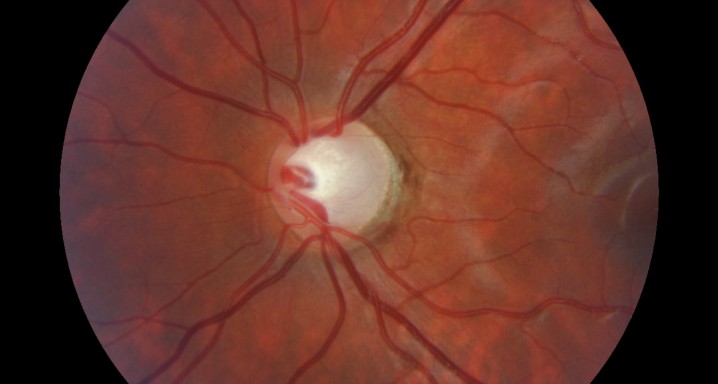
Sunday sees the start of World Glaucoma Week, a commemoration of the clinical pathology that is the second leading cause of blindness in the world. The Institut de la Màcula, which forms part of the Teknon Medical Centre of the Quirón Hospital Group, will join in the week’s events by underlining the need for early diagnosis.
The thief of sight
Glaucoma is a disease of the optic nerve. If left untreated, it produces deterioration in sight that leads to blindness. It occurs when intraocular pressure rises above what the eye can stand, leading to a reduction in side vision.
In 70% of cases, glaucoma is usually associated with elevated intraocular pressure but it may also appear with normal pressure in sensitive eyes in up to 30% of patients.
At present, nerve tissues that have been lost through elevated intraocular pressure cannot be recovered. The only way of halting glaucoma is by reducing this pressure through eye-drops or, if more serious, by laser or other procedures, depending on each patient’s needs.
Types of Glaucoma
There are two types of glaucoma, open-angle, when the angle is open but does not function properly; and narrow- or closed-angle where the angle is narrower or is virtually closed.
Open-angle glaucoma may be of two classes: primary, the more frequent, when there is no other disease that causes it, or secondary, caused by something that obstructs this filter.
In the case of the closed-angle glaucoma, if closure takes place intermittently this causes occasional pain with halos around lights. An unexpected closure causes a rise in pressure with intense pain, sight loss and even nausea and vomiting. In this case, the patient requires immediate treatment.
Risk Factors
Glaucoma generally affects the over-40s, with a 2% prevalence. In addition, those with a family history, ocular hypertension, high myopia or black people are more likely to suffer from the pathology as well as patients who are taking corticoids or suffer from a vascular disease.
About the Institut de la Màcula
A benchmark specialist in the treatment of the macula, retina and vitreous disorders. It forms part of the Teknon Medical Centre of the Quirón Hospital Group. The use of cutting-edge techniques and treatments place the Institut at the forefront of innovation in the curing of sight disorders, with four broad areas of expertise: the retina, cornea, glaucoma and cosmetic surgery. Led by Dr. Jordi Monés, an internationally renowned ophthalmologist and researcher, the Institut has a multidisciplinary medical team comprising specialists in the retina, cornea, refractive surgery and cataracts as well as glaucoma and ocular plastic surgery.


